
Amino Acids
Five entries, one product, and a caution that runs through the whole section. Glutamine, the amino acid that matters most in IBD, has its home in Barrier Repair (F-01), and its card is repeated in this section, powder and capsules, because this is where people look for it; in my experience it matters most in Crohn's disease, where the small-bowel lining runs on it, and the human trials are mixed, which the card says plainly. The others earn their place when the gut is not digesting protein well, which is when a free-form complex can deliver what a steak cannot: tryptophan for the serotonin and the indole compounds that talk to the wall, arginine for blood flow and repair, glycine for collagen and the bile acids, histidine for the carnosine that pairs with zinc in F-05. Then the sulfur amino acids, cysteine and methionine, which need a warning of their own. Sulfur is not harmless in a colon that is already inflamed: sulfate-reducing bacteria turn it into hydrogen sulfide, a gas that is toxic to colonocytes at high concentration, blocks butyrate use, and is found at higher levels in ulcerative colitis. High-sulfur supplementation, and high-sulfur diets, can feed exactly the wrong organisms. The sulfur amino acids stay in the list because the body needs them and because NAC (C-10) and glutathione (C-11) are built from them; the caution is in the note, and it is meant seriously.
In this chapter
I-01TryptophanRead entry →I-02ArginineRead entry →I-03GlycineRead entry →I-04Sulfur amino acidsRead entry →I-05HistidineRead entry →A small warning about sulfur
Cysteine, methionine, taurine, and the sulfur-rich foods and supplements built from them (NAC, glutathione, MSM, garlic, eggs, cruciferous vegetables in quantity) are handled in the colon by sulfate-reducing bacteria that make hydrogen sulfide. In a healthy colon the epithelium detoxifies it. In an inflamed one, especially in ulcerative colitis, the gas accumulates, blocks butyrate use by colonocytes and adds to the inflammation. This is not a reason to fear protein; it is a reason not to pile sulfur on top of an active colitis, to introduce sulfur-containing supplements one at a time, and to watch what they do. Three words that get confused: sulfur is the element, present in these amino acids; sulfate is what the bacteria reduce, and it is also added to some foods; sulfites are preservatives in wine, dried fruit and some medications, and a sulfite sensitivity is a separate matter from the colonic sulfur story above. People who react to wine are usually reacting to sulfites, histamine or alcohol itself, not to the sulfur amino acids in their dinner.
READ & SHOP
Explore related supplements
Amino Acids
Tryptophan
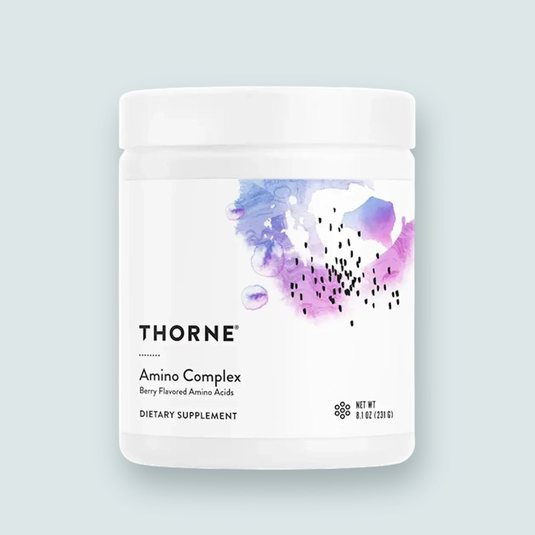
The one amino-acid product for the section: all essential amino acids in free form, including tryptophan, histidine and the sulfur amino acids that entries I-01…


Barrier Repair
L-glutamine
The primary fuel of the small-intestinal lining. Human trials are honest and unflattering: in Crohn's, oral glutamine improved intestinal permeability but no more…
Amino Acids
Arginine
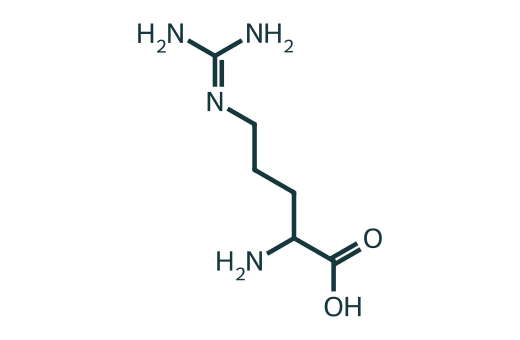
Nitric oxide precursor with wound-healing roles; preclinical colitis data only.
Options to explore with your care team. These are not a recommendation to take them together. Andrew earns a commission on Fullscript purchases. US shipping only.