
Peptides
Two entries, one product, and a section I wrote with more care than any other. Peptides have exploded in the IBD community; BPC-157 and KPV have been known for a long time, and both have deep animal literatures showing faster healing of the gut lining, less TNF-alpha at the wound and new vessel growth beneath it. What they do not have is a randomized human trial, published pharmacokinetics for the oral forms, or a regulatory status that stays still from one year to the next. That combination makes them the part of this guide most likely to read as medicine rather than nutrition, and the part where I ask you to be most careful, most honest with your medical team, and most skeptical of a vial that promises more than the literature does. The mechanism page that follows explains what is known and what is hoped, and the cards say exactly where the evidence bars sit.
In this chapter
G-01BPC-157Read entry →G-02KPVRead entry →Read on
How a repair peptide is thought to work →Two peptides, two mechanisms →READ & SHOP
Explore related supplements
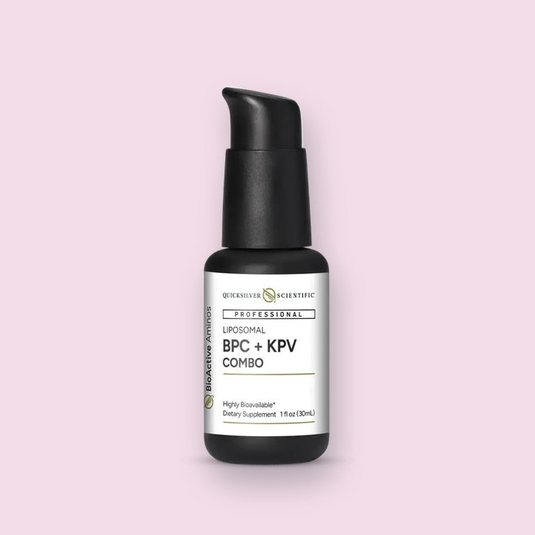
Peptides
KPV
KPV is the three-amino-acid anti-inflammatory tail of alpha-MSH. It is taken up directly by inflamed intestinal epithelium through the PepT1 transporter, and in…
Peptides
BPC-157
BPC-157 is a fifteen-amino-acid fragment of a protein found in gastric juice, with an enormous animal literature on mucosal, tendon and vascular repair, nearly all…


The Five
Curcumin
Curcumin is the yellow pigment of turmeric root and the most-studied plant compound in inflammatory bowel disease. It has randomized trials in ulcerative colitis, a…
Options to explore with your care team. These are not a recommendation to take them together. Andrew earns a commission on Fullscript purchases. US shipping only.