How the barrier is rebuilt
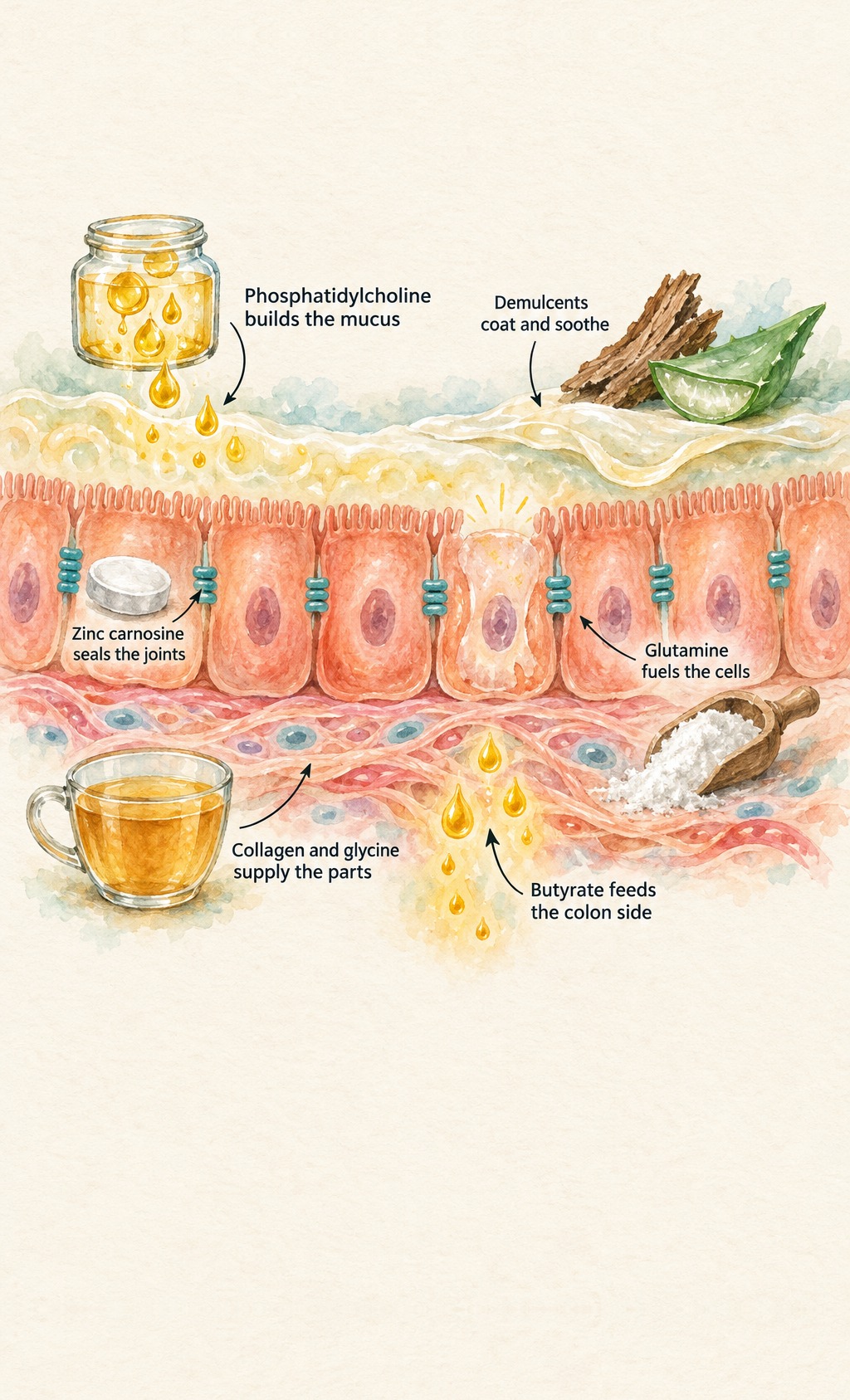
The wall is three layers, and each has a raw material. Above the cells sits the mucus, a gel built mostly of phosphatidylcholine and mucin: phosphatidylcholine (F-08) supplies the phospholipid, N-acetylglucosamine (F-06) the mucin's sugar backbone, and the demulcents, slippery elm and aloe, coat the surface while it thickens. Between the cells are the tight junctions, the seals that leak in IBD; zinc carnosine (F-05) and quercetin (A-02) help close them. The cells themselves need fuel: glutamine (F-01) for the enterocyte of the small bowel, butyrate (F-02) for the colonocyte, creatine (F-03) as the ATP buffer, and the glycine and proline of collagen (F-09) as building material for the tissue beneath. Repair is not one move. It is all of these at once, on a wall that is trying to rebuild while inflammation pulls it apart.
READ & SHOP
Explore related supplements


Barrier Repair
Phosphatidylcholine
The phospholipid that makes up most of the colonic mucus layer, and is measurably depleted in UC. A delayed-release PC (LT-02) had three positive Heidelberg trials…
Barrier Repair
Slippery elm
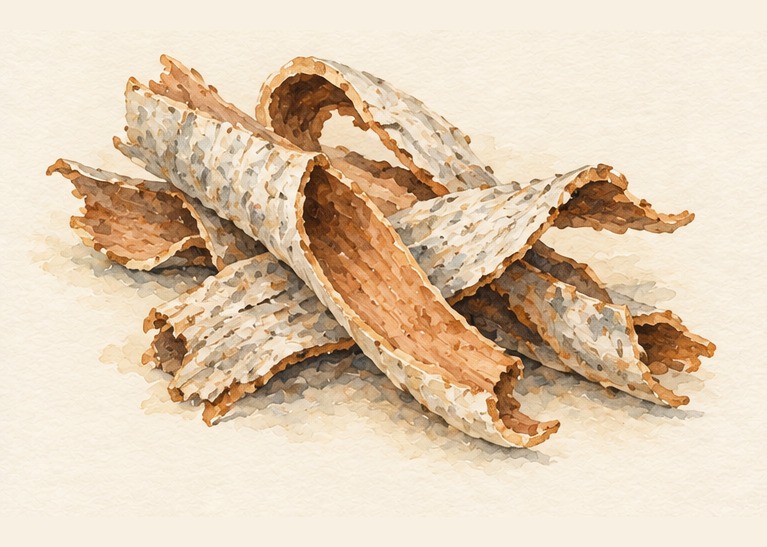
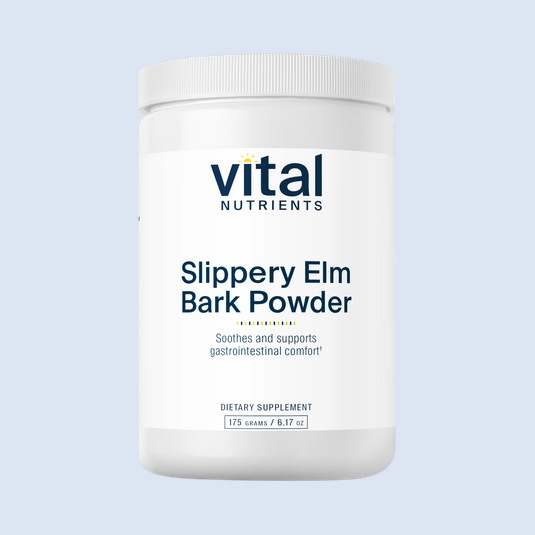
A demulcent, it coats. The mucilage soothes irritated lining on contact, and biopsy studies found antioxidant activity in UC tissue. One of the oldest gut remedies…

Barrier Repair
Zinc carnosine
Andrew wants this one emphasized: a zinc-carnosine chelate that stays in contact with the gut lining, developed in Japan as an ulcer drug (polaprezinc). In a London…
Options to explore with your care team. These are not a recommendation to take them together. Andrew earns a commission on Fullscript purchases. US shipping only.